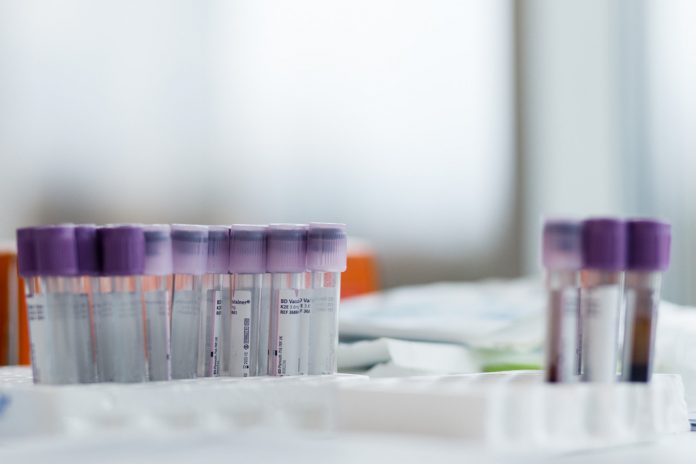
Russian biotechnology company BIOCAD has created its own biobank infrastructure for storing biological samples. The new complex is designed to accelerate the development of original pharmaceutical products and expand partnerships with medical organizations. This is reported by the company’s press service.
Infrastructure and Technical Equipment
The biobank is a specialized repository for biological fluid and tissue samples collected during clinical trials. The declared capacity of the complex allows for the simultaneous storage of over 380,000 biological samples in various temperature regimes: from −196 °C (liquid nitrogen) to +25 °C.
The facility is equipped with a continuous liquid nitrogen supply system, backup power sources, and automated monitoring of oxygen, temperature, and humidity levels. The sample life cycle management—from receipt to disposal—is carried out using a specialized laboratory information management system (LIMS), ensuring full traceability and data protection.
Current Workload and Projects
Currently, the biobank’s fund contains 774 samples from 225 study participants across nine nosological groups. The infrastructure is involved in eight research projects and BIOCAD product programs.
In particular, the repository’s capacities are used in the BCD-180-4 clinical trial aimed at finding efficacy markers for the drug seniprutug. This is a first-in-class monoclonal antibody registered by the Russian Ministry of Health in 2024 for the treatment of ankylosing spondylitis. Within the project, biobank specialists ensure the processing and cryopreservation of biomaterials for subsequent stages of the drug’s study.
Project Goals and Scientific Partnership
According to Anna Vladimirova, Director of the Scientific Development Department at BIOCAD, creating an in-house biomaterial database allows for systematic work with samples, which is necessary for the identification and validation of new therapeutic targets. Studying materials at the molecular level, taking into account specific mutations and the therapeutic history of patients, can significantly reduce the overall timeline for developing innovative drugs.
In the future, the company plans to develop cooperation with state scientific institutes and clinical centers. The biobank infrastructure will facilitate the exchange of biosamples to implement joint research programs.