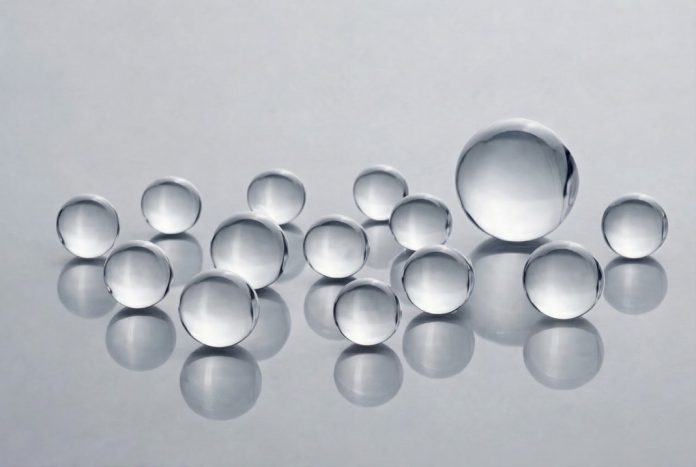
The price increase is attributed to rising raw material and energy costs in the EU, as well as global inflation. An additional factor for the Russian market has been the changing economic environment, including complicated logistics and transaction costs (e.g., VAT increase). In Russia, the manufacturer’s interests are still represented by the subsidiary LLC “SiLi CIS” (Tula), which continues to fulfill delivery obligations.
Impact on Insulin Cost
According to “Cursor Marketing,” SiLi glass beads are purchased by all leading market participants: both localized foreign concerns (Sanofi, Novo Nordisk, Eli Lilly) and Russian manufacturers (“Geropharm”, “Medsintez”, “Pharmasintez”, “Pharmstandard”, “Alvils”).
The source notes that the inability to maintain component prices amidst the changing economic landscape may provoke an additional increase in the final product price.
Possible Solutions
According to data from industry analytical reports Global Glass Beads Market, besides the German company SiLi Germany, there are other players in the global market. Offers from manufacturers in China, as well as promising Russian developments, are being studied as alternatives to the German product.
In the event of component shortage risks, experts also do not rule out the possibility of applying state regulation, including the mechanism of compulsory technology licensing, which is practically applicable to ensure the uninterrupted production of vital drugs.
However, a key condition for any changes, given the high degree of precision and glass purity required, is compliance of bead production processes with strict GMP standards. Operational replacement is hindered by regulatory requirements: the new component requires a validation procedure. Tests for insulin stability and the absence of chemical interaction with the glass can take a long time.