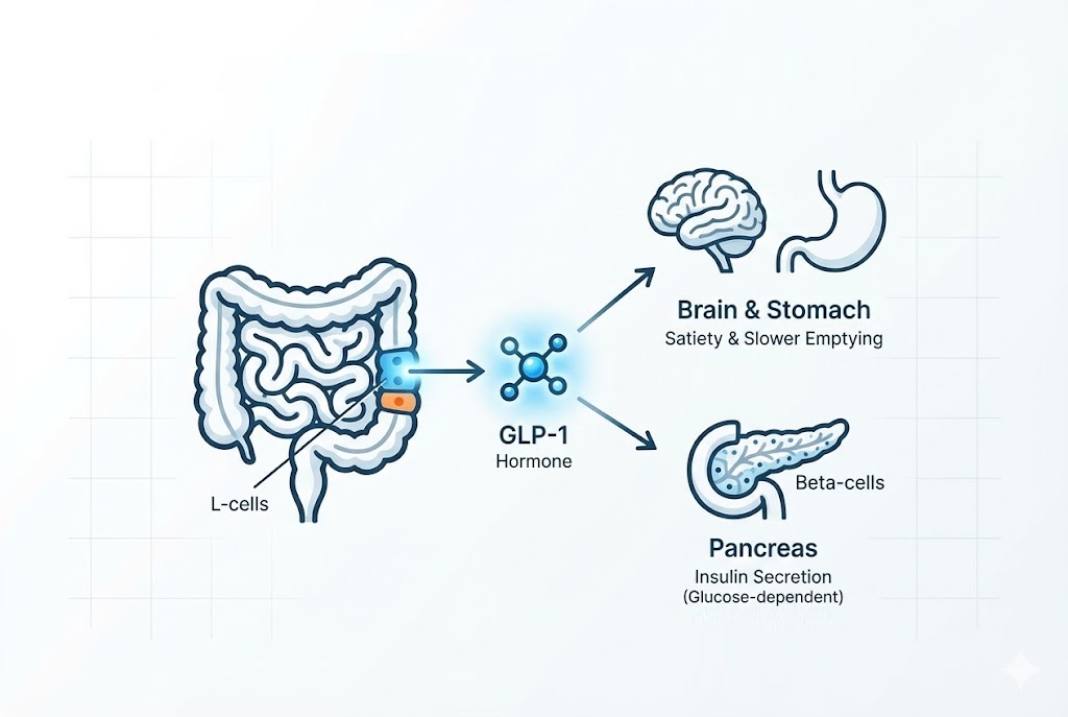
GLP-1 (Glucagon-like peptide-1) is an incretin hormone produced by the enteroendocrine L-cells in the distal small intestine and colon in response to nutrient ingestion. It acts as a critical regulator of glucose homeostasis and appetite control.
Fast Facts:
- Molecule Type: Peptide hormone (30-31 amino acids).
- Origin: L-cells (ileum and colon), CNS.
- Primary Function: Stimulation of insulin secretion (Incretin effect).
- Therapeutic Role: Target for T2D and Obesity medications (GLP-1 RAs).
Mechanism of Action
GLP-1 activates specific receptors (GLP-1R) located in the pancreas, gastrointestinal tract, and brain. Its key physiological effects include:
- Glucose-Dependent Insulinotropic Effect: Stimulates pancreatic beta-cells to release insulin only when blood glucose levels are elevated, significantly reducing the risk of hypoglycemia.
- Glucagonostatic Effect: Suppresses glucagon secretion from alpha-cells, thereby reducing hepatic glucose output.
- Gastric Emptying: Decelerates gastric motility, which blunts postprandial glucose spikes and prolongs satiety.
- Central Nervous System Effect: Acts on the hypothalamus to promote satiety and reduce food intake.
Clinical Significance in Pharma
In the pharmaceutical industry, GLP-1 receptors represent a primary target for the development of biologics and small molecules.
The drug class known as GLP-1 Receptor Agonists (e.g., semaglutide, liraglutide, tirzepatide) is widely used for Type 2 Diabetes management and chronic weight management. The manufacturing of these therapeutics involves advanced technologies: either recombinant biotechnology (for peptides) or complex organic synthesis (for small molecules), heavily relying on high-purity Active Pharmaceutical Ingredients (API).
References:
- Holst, J. J. The physiology of glucagon-like peptide 1. Physiological Reviews (2007).
- StatPearls. Glucagon-Like Peptide-1 Receptor Agonists. NCBI Bookshelf (2024).
[rev_slider alias="ransom-950x120-en"][/rev_slider]